Fireplace stoves with installation, flue and inspection
You can buy stoves anywhere. The problem starts when someone needs to connect them to a chimney so they pass inspection and do not draw smoke into the room. We supply the stove, flue, installation and inspection report as one job.
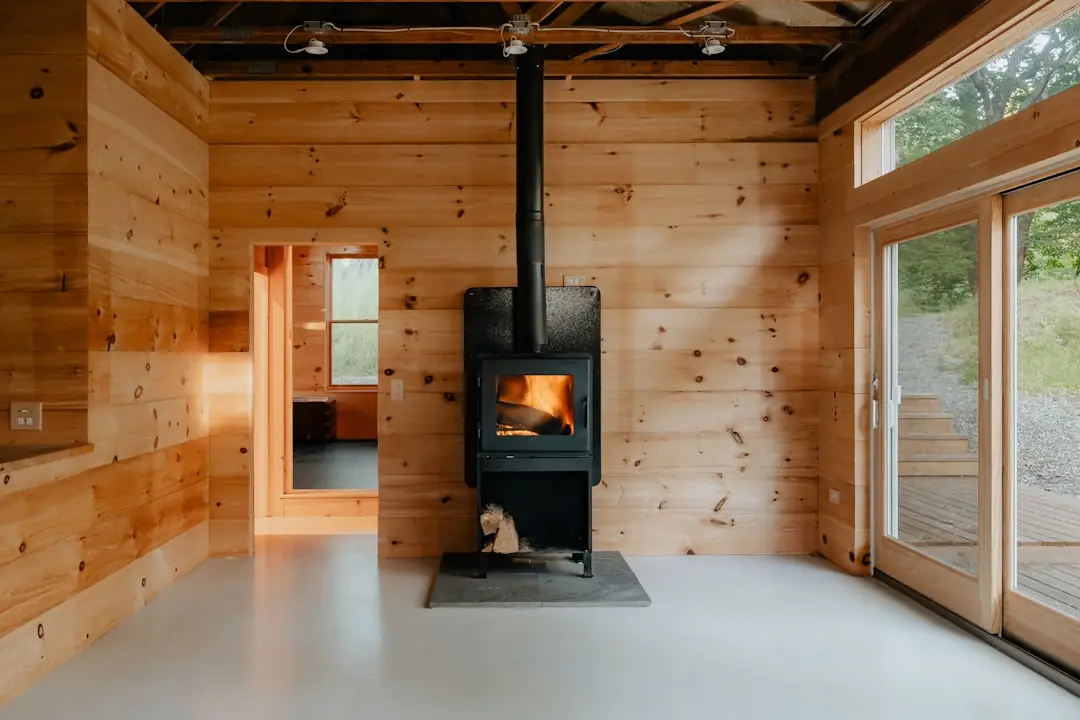
How we select the output power
The most common mistake is installing stoves that are too powerful. In a well-insulated house, a low output is usually sufficient for a living room with a kitchen; larger stoves then run throttled down, the glass turns black and tar accumulates in the chimney. We calculate the required output based on the room volume, heat loss and whether you heat daily or only at weekends.
Cast iron, steel, or tiled stoves
- Cast iron fireplace stove retain heat longer after burning out and are dimensionally stable. Suitable for regular heating.
- Steel stoves They heat up quickly and cool down rapidly. Ideal for cottages and evening supplementary heating.
- Stoves with heat-retaining cladding (hearth tiles, gypsum, sandstone) radiate heat for hours after the fire has gone out and do not overheat the room.
- Wood-burning stoves with oven or hob for cottages used for cooking.
What is included in the installation
- Chimney inspection: flue diameter, draft, liner condition, necessity of lining.
- Flue made of suitable material, penetration through the chimney, and cleaning opening.
- Floor protection (glass or sheet metal under the stove), safe distances from combustible materials.
- External air supply for airtight houses and flats with heat recovery ventilation.
- Inspection of the flue gas path with an inspection report and the first firing, including instructions on how to burn dry wood.
Ecodesign and what it means for you
Since 2022, only stoves meeting the EU Ecodesign requirements for efficiency and emissions may be placed on the market in the EU. For you, this means lower wood consumption and cleaner glass, but also more sensitive combustion: stoves require dry wood and correct draught. Therefore, we do not just deal with stoves, but the entire flue gas path.
Questions we are asked
What output do I need for my fireplace stove?
As a general rule, an insulated house requires significantly less output than an older building of the same floor area. We will determine this precisely from our survey: room volume, windows and insulation. It is better to have smaller stoves that are fired at full capacity than larger ones that must be throttled down.
Can I connect my stove to an old chimney?
Often yes, but the chimney must undergo inspection: diameter, draft, tightness and masonry condition. In older chimneys a stainless steel liner is usually installed. Without this, the inspection technician will not authorise the flue for operation.
How long does the installation of a fireplace stove take?
The installation of the stove with the flue pipe usually takes one day. If the chimney is being lined or built, add one to three days depending on the scope.
Describe the room to us and we will provide a proposal and an appointment date.
Just a few details are needed. Within 24 hours on working days we will get in touch with the next step, usually a free survey and chimney inspection. No obligation.
Prefer to call? 775 654 443